

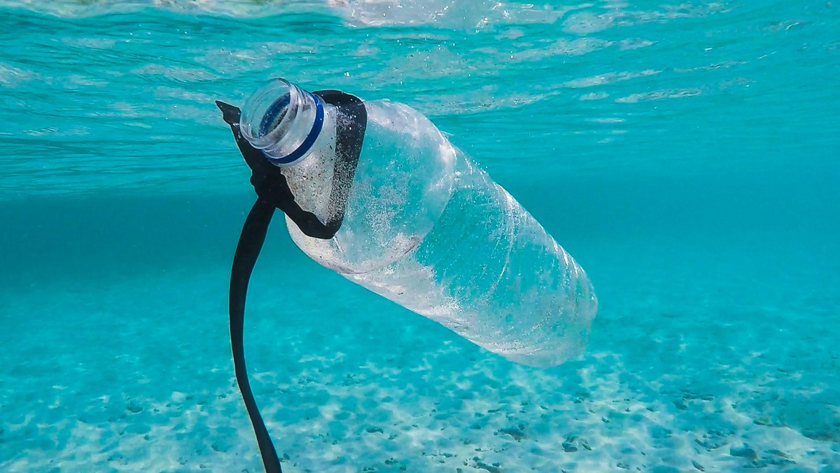
Plastic is one of the most useful materials ever created, which is exactly why it has become such a problem. It is light, cheap, flexible, and durable. We use it for bags, bottles, packaging, clothing, food containers, and electronics. But the same durability that makes plastic convenient also means it can remain in the environment for years after we are finished with it.
Ocean plastic is especially disturbing because it travels. A bottle thrown away in one city can move through drains, rivers, and coastlines before reaching the sea. Once there, plastic can break into smaller pieces but not truly disappear. Marine animals may mistake plastic for food, become trapped in it, or suffer from polluted habitats.
The problem is not only the dramatic image of a turtle with a straw in its nose, though images like that matter. Plastic pollution also includes tiny fragments that are harder to see. Microplastics can enter food chains, appear in water, and spread through ecosystems in ways scientists are still trying to fully understand. The invisible pollution may be as important as the visible trash.
Students often hear that the solution is to recycle, but recycling alone cannot handle the scale of plastic production. Many plastic items are difficult to recycle, contaminated by food, or cheaper to make new than to process. Recycling matters, but it cannot become an excuse for producing unlimited disposable plastic.
Real change requires reducing unnecessary plastic at the source. Schools, restaurants, stores, and governments can limit single-use items, improve waste systems, and support refill or reuse models. Companies should redesign packaging so consumers are not forced to create waste with every purchase.
Individuals still have a role. Carrying a reusable bottle, refusing extra packaging, joining cleanups, and supporting better policies all help. But the responsibility should not fall only on consumers. People cannot choose plastic-free options if the system gives them no alternatives.
The ocean feels vast, but it is not endless. Plastic pollution reminds us that convenience has consequences. The question is whether we can design a world where usefulness does not automatically become waste.
 Posted in