
You don’t really need a study to tell yourself that painting or doodling or spending an hour on some random craft project makes you feel better, most people already know that from their own experience. What is less obvious is why, and what actually better even means in a real, measurable sense. Turns out the benefit isn’t just some vague feel good thing, it’s tied to some pretty specific stuff, like attention, regulation, and connection.
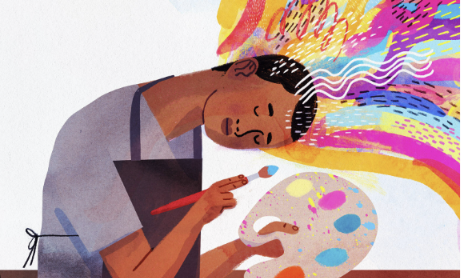
One of the more consistent things researchers find about creative activity is how it affects attention. When you’re making something, a drawing, a collage, for example, it usually takes this kind of absorbed focus people call “flow”, where you kind of lose track of time and stop being so aware of yourself or your surroundings. That state is linked to less activity in the part of your brain responsible for the looping, self focused thoughts that feed anxiety. So basically, when you’re absorbed in making something, you aren’t just sitting there rehearsing your worries over and over. That’s not a cure obviously, but it’s a real break, and those breaks add up over time.
There’s a physical side to this too. Some studies that measured stress hormones before and after short art sessions found they dropped a lot, and it didn’t matter how skilled the person was or whether they’d ever done art before. You don’t have to be good at it, you just have to actually do it. Which honestly matters a lot, because so many adults avoid creative stuff since they assume it only counts if it looks good at the end. But apparently your body responds to the process itself, not really the final product.
There’s also a mental piece to it. Feelings that just stay stuck inside your head are hard to actually look at, they’re kind of blurry and language doesn’t always capture them right. But if you put a feeling into some kind of physical form, even something rough or messy, it becomes a thing you can actually look at and think about. That’s part of why journaling has kind of a similar effect as drawing does. Both take something shapeless and give it an edge. With grief especially you see this in stuff like memory quilts, or someone just painting a portrait of a person they lost. The object becomes like a container for something that would otherwise have nowhere to go.
Isolation is one of the biggest things linked to poor mental health, and doing art in a group, choir, community theater, a mural project, a knitting circle, deals with that pretty directly. Some doctors now actually refer patients to community art programs for things like mild depression or loneliness, especially in older adults. But honestly the real mechanism here probably isn’t even about the art itself, it’s about showing up regularly with other people toward something shared. Art just happens to be a good excuse for that, since it doesn’t require small talk to feel connected to someone. Sitting next to someone while you both paint is its own kind of company.
None of this means art replaces actual treatment for serious depression or anxiety. It’s a real contributor to well-being, not some miracle fix, and it doesn’t work the same for everyone. Some people get the exact same benefit from running or gardening instead. The common thread seems to just be doing something absorbing and low stakes with your hands, and art is just one of the easier ways to get there.
A. Pham
 Posted in