
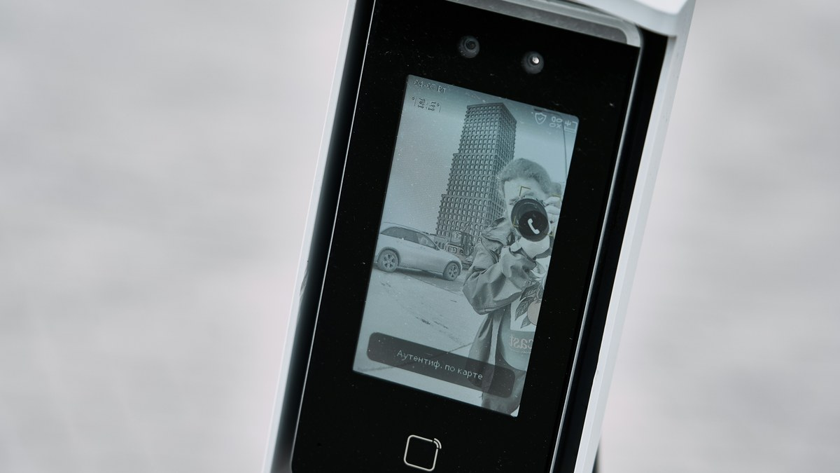
Most of us give away pieces of our privacy every day without thinking much about it. We unlock phones with our faces, tag friends in photos, pass security cameras, use apps that request location access, and upload images to platforms we barely read the policies for. Facial recognition technology turns the human face into data, and that changes the meaning of privacy.
The face is different from a password. If a password is stolen, it can be changed. If facial data is collected, copied, or misused, we cannot simply get a new face. This makes facial recognition powerful and risky at the same time. It can help find missing people, improve security, or speed up identity checks. But it can also enable constant tracking, mistaken identification, and surveillance without consent.
For students, the issue may appear in ordinary spaces: campus entrances, exam proctoring tools, dorm security, airports, stores, and social media filters. A technology that feels convenient in one setting can feel invasive in another. The difference often depends on consent, transparency, and control.
One major concern is accuracy. If a system misidentifies someone, the consequences can be serious, especially in policing, immigration, or disciplinary settings. Another concern is unequal power. Ordinary people often do not know when facial recognition is being used or how long their data is stored. Companies and governments may understand the system, while individuals are simply scanned.
Privacy does not mean having something to hide. It means having control over how we are seen, recorded, analyzed, and judged. A society without privacy can make people behave differently because they feel watched. That affects freedom, creativity, and trust.
Schools should teach students to think critically about biometric technology. Lawmakers should require clear rules about consent, storage, access, and accountability. Companies should not collect facial data simply because they can.
Technology often moves faster than public understanding. Facial recognition asks us to pause and decide what kind of future we want. Convenience is valuable, but it should not cost us the right to move through the world without being constantly identified.
 Posted in